Bulgaria is a land of striking seasonal contrasts. While the Black Sea coast draws crowds in the summer, the winter season transforms the country into a dramatic snowy landscape. From the jagged peaks of the Pirin Mountains to the rolling hills of the Balkan Range, the scenery is undeniable.
However, for tourists, the beauty of a Bulgarian winter comes with significant logistical challenges. Navigating the roads between Sofia, Plovdiv, and the major ski resorts requires more than just a sense of adventure; it necessitates specific knowledge of local laws, road conditions, and specialised equipment.
For many tourists, renting a car is the most practical way to explore the country, but winter driving in Bulgaria can be quite challenging. As a visitor, you must adapt to an assertive driving culture and navigate road infrastructure that varies significantly in quality. Navigating the country during the colder months is a matter of preparation, patience, and understanding the unique temperament of the Eastern European winter.
Bulgaria has strict traffic laws designed to mitigate the risks associated with its challenging landscape, especially during winter. Understanding these local regulations is the first step toward safe driving.
One of the most important rules for visitors to remember is the mandatory use of headlights. In Bulgaria, all vehicles must be driven with dipped headlights or low beams 24 hours a day, regardless of the time or the brightness of the sun. This is particularly crucial in winter when grey skies and salt spray from the roads can make silver or white cars nearly invisible against the snow.
The e-vignette system is another essential legal requirement. All vehicles using the national road network outside of urban areas must have a valid electronic vignette. Most rental companies include this in the total price, but it is your responsibility to confirm its validity. Failure to have a vignette can result in heavy fines, which are often detected by automated camera systems located across the country.
Furthermore, the country has a strict law against drunk driving. The legal blood alcohol limit is 0.5 mg/ml, which is lower than in other European nations. However, for anyone tackling winter driving in Bulgaria, the only safe amount of alcohol is zero. The icy roads provide no margin for error, and the local police frequently conduct roadside checks near holiday resorts and mountain exits.
Bulgarian law is very specific about what a vehicle must carry during the winter months, typically defined as the period between 15 November and 1 March, although the season usually lasts until the end of March.
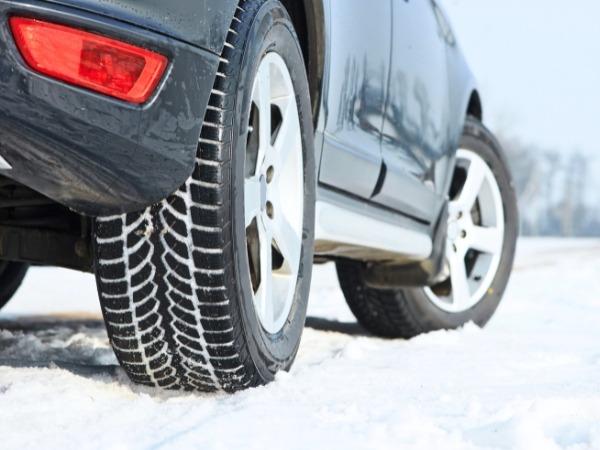
All vehicles must be equipped with tyres intended for winter conditions or ones with a tread depth of at least 4 mm. While regular tyres are legally acceptable if they meet the depth requirement, they are often insufficient for the steep, frozen inclines found near Bansko or Borovets. Dedicated winter tyres are highly recommended for safety in these mountain regions. It is also worth noting that studded or spiked tyres are strictly prohibited in Bulgaria, as they damage the road surface.
Another important piece of equipment for mountain travel is a set of snow chains, which is mandatory to carry in all vehicles during winter. You are not required to have them on your tyres at all times, but you must use them when you encounter the B26 blue road sign, which indicates that chains are compulsory for the upcoming stretch of road.
Beyond tyres and snow chains, every vehicle is legally required to have a safety kit. This includes a reflective safety vest, a warning triangle, a first aid kit, and a functional fire extinguisher. In the event of a breakdown, the safety vest must be worn by the driver before they step out of the car.
Winter driving in Bulgaria exposes drivers to different road surfaces. Although a majority of the roads are paved, the conditions vary significantly, and you can encounter several hazards along the way, such as potholes and black ice.
The primary motorways, such as the Trakia (A1) and Hemus (A2), are usually the first to be cleared and salted. However, even these major arteries can become treacherous during heavy blizzards when the wind creates massive snowdrifts. An even bigger challenge lies in the mountain passes. The Balkan Mountains divide the country into north and south, and crossing them involves navigating passes like Shipka or Vitinya. These areas are prone to sudden closures if the snowfall becomes too heavy for snowploughs to manage.
Black ice is another frequent hazard, especially in the early morning or after sunset when the melted water from the day refreezes. Because many Bulgarian roads are bordered by dense forests, shadows can hide patches of ice long after the rest of the road has dried. In rural areas, you may also encounter slow-moving agricultural machinery or horse-drawn carts, which are less visible in winter fog. Always assume that a corner might hide an obstacle or a patch of unplowed snow.
Mastering winter driving in Bulgaria requires focus and dedication. Do not rush. Take things slowly, stay calm on the roads, and watch out for the aforementioned hazards. With the right driving techniques, you can have a smooth drive.
The golden rule is to drive smoothly. Every input, including steering, braking, and accelerating, should be performed gradually to maintain traction on snow-covered roads, preventing sudden skidding. Sudden movements can break the fragile bond between your tyres and the icy surface. Furthermore, this is critical for managing poor road conditions, including potholes hidden by snow, and handling mountain passes where steep inclines and sudden temperature drops occur
When driving on snow or ice, you should significantly increase your following distance. A standard two-second gap is insufficient; in winter conditions, you should leave at least ten times the usual distance between you and the car in front. If your car begins to skid, steer into the skid and use progressive braking if your car is equipped with an Anti-lock Braking System (ABS).
Preparing your vehicle is equally important. Before setting off, ensure that all snow is cleared from the roof of the car, as it can slide down onto your windscreen during braking. Keep your fuel tank at least half-full, especially if you are venturing into more remote areas. If you are caught in a traffic jam caused by a snowdrift, you will need the engine to run the heater and keep the cabin warm.
Even the most prepared driver can encounter an emergency, and that is why it is important to know what to do when things go wrong. In Bulgaria, the emergency hotline is 112. Also, rental agencies usually have a 24-hour assistance number that you should save and call.
If your vehicle breaks down, safety is the priority. Pull as far off the road as possible and turn on your hazard lights. Put on your reflective safety vest before exiting the vehicle. Place your warning triangle at least 30 metres behind the car on standard roads, or up to 100 metres on motorways, to give oncoming traffic sufficient warning.
In the case of a minor fender bender, Bulgarian law often requires the police to be notified to issue a protocol for insurance purposes. Without this official document, many insurers may refuse to cover the damages. If you are driving a rental car, contact the agency immediately after calling the authorities; they will provide specific instructions and may arrange for a replacement vehicle.
Winter driving in Bulgaria is a challenging but also rewarding experience. While the conditions can be demanding, the ability to drive through snow-dusted pine forests offers a level of freedom that no tour bus can match. By following local laws, securing mandatory safety equipment, and practising defensive driving, you can have a smooth winter journey.
The key to a successful winter road trip is getting the best car rental. Securing a good rental car is your ticket to discovering the heart of Bulgaria at your own pace. You can easily reach remote ski resorts and find hidden gems along the way. Rent a car from Final Rentals today and set out to explore the stunning Bulgarian winter wonderland for yourself.