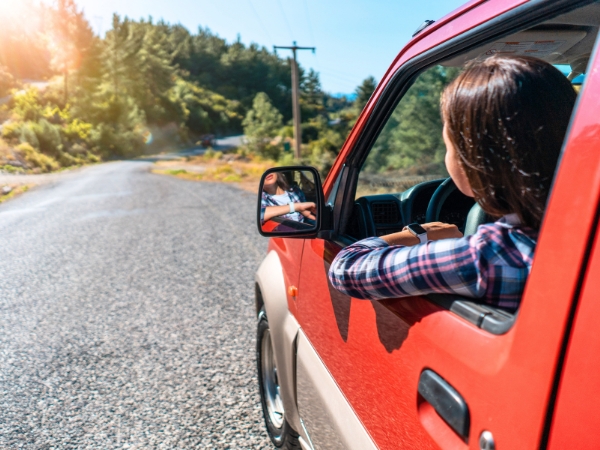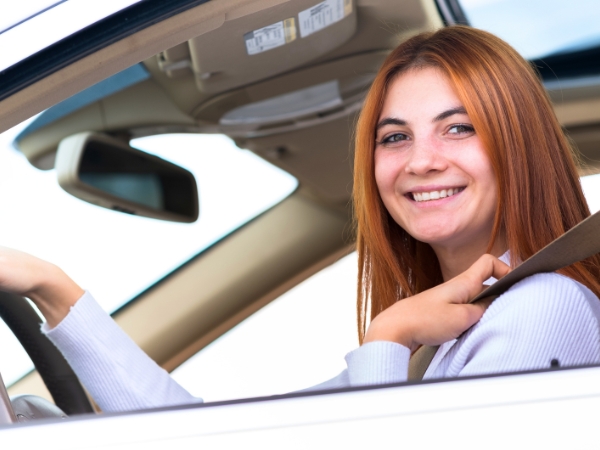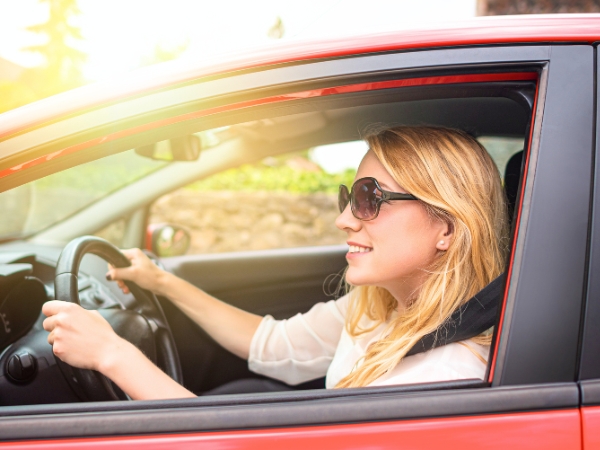
Bulgaria is a land of striking contrasts, where rugged mountain peaks give way to rolling vineyards and ancient Thracian ruins sit a short drive from modern, sun-drenched coastal resorts. While the country’s rail and bus networks connect the major cities, they often bypass the most enchanting spots, the hidden monasteries tucked into the Balkan Mountains, the secluded coves of the Black Sea, and the traditional stone villages of the Rhodopes. To truly experience the heart of this Balkan gem, you need the freedom of four wheels.
Renting a car in Bulgaria is a straightforward process, but for the uninitiated tourist, the experience can come with a learning curve. From navigating the unique Cyrillic signage to mastering the digital toll systems, preparation is the key to a stress-free journey. Whether you are picking up a vehicle at Sofia Airport or planning a cross-country trek from Plovdiv to Varna, understanding the local nuances of driving in Bulgaria will transform a potentially daunting task into an exhilarating adventure.
Bulgarian law mandates specific safety equipment for all vehicles, which you should verify before leaving the rental lot. Every car must carry a first aid kit, a fire extinguisher, a reflective triangle, and a high-visibility vest for the driver. Furthermore, if you are visiting between November and March, winter tyres with at least 4mm of tread are legally mandated. During these cold winter months, you are also required to carry snow chains, particularly when traversing mountain passes where blue signage may indicate their mandatory use.
In major cities and on primary motorways, signage is bilingual, featuring both the Cyrillic and Latin alphabets. However, as soon as you venture onto secondary or tertiary roads into the countryside, Latin script often disappears. If you cannot read Cyrillic, navigating by sight alone becomes incredibly difficult. It is highly recommended to use a GPS or a mobile navigation app, but you should also download offline maps. In remote mountain areas, mobile signals can be spotty, and having an offline backup ensures you won't find yourself lost in a village where the signs are illegible to you.
Speed limits in Bulgaria are generally consistent with European standards, and they are strictly enforced through a mix of fixed cameras and mobile police units. In urban areas, the limit is typically 50 km/h. On rural roads, the limit is 90 km/h, and on motorways, it is 140 km/h. However, you must stay vigilant. It is common for a motorway or high-speed road to suddenly drop to 60 km/h or 80 km/h near junctions or petrol stations. Police often set up mobile speed traps just behind these signs. Always adhere to the posted limits, as even a minor infraction can lead to a fine that must be paid via a bank or post office.
One of the most common mistakes tourists make while driving in Bulgaria is forgetting to turn on their lights. By law, all motor vehicles must have their dipped headlights or low beams switched on at all times, regardless of the time of day or the weather conditions. This regulation applies throughout the entire year. Many modern rental cars have automatic lights, but these do not always activate the headlights in broad daylight. Make it a habit to manually turn your lights on the moment you start the engine to avoid being pulled over by the traffic police.
Bulgaria maintains a very strict stance on drunk driving. The legal blood alcohol limit is 0.05%, which is roughly equivalent to a small beer, but the police are allowed to take severe action if you are found above this threshold. Penalties include heavy fines, immediate confiscation of your driving licence, and even vehicle impoundment. Given the unpredictable nature of local traffic and the presence of police checkpoints, the only safe approach for a tourist is to avoid alcohol entirely if you plan to get behind the wheel.

The rules of the road in Bulgaria generally follow the Vienna Convention, but roundabouts can be a point of confusion. In most Bulgarian roundabouts, the vehicle already inside the circle has the right of way. However, you must still look for the Inverted Triangle yield sign. In some older or smaller intersections, the Right Hand Rule might still apply if no signs are present, meaning you must yield to traffic entering from your right. When in doubt, proceed slowly and observe the behaviour of local drivers.
Unlike many European countries that use physical toll booths on motorways, Bulgaria operates a sophisticated e-vignette system. This is mandatory for almost all roads outside of major municipal boundaries. If you are caught driving on a national road without a valid vignette, you face significant on-the-spot fines captured by a network of overhead cameras. When you collect your rental car, the first thing you should do is ask the agent if the vignette is included. Most local rental agencies include a year-long vignette in the price, but it is your responsibility to verify this.
While the main motorways connecting Sofia to Burgas and Varna are in excellent condition, the same cannot always be said for rural routes. Potholes are a common sight, and some can be deep enough to damage a tyre or suspension. When driving in Bulgaria’s more remote regions, maintain a safe following distance so you have time to react to the car in front swerving to avoid a hole. Additionally, be prepared for vulnerable road users. It is not unusual to encounter horse-drawn carts, stray dogs, or herds of goats and cows crossing the road in agricultural areas. Always drive cautiously and defensively.
Driving in Bulgaria at night presents a unique set of challenges that require heightened alertness from tourists. Many secondary and rural roads lack street lighting and may have faded lane markings, making it difficult to spot hazards like deep potholes or sharp bends. Furthermore, it is not uncommon to encounter unlit vehicles, such as horse-drawn carts or older tractors, as well as pedestrians and stray animals on the edge of the roadway. To stay safe, plan your itinerary so you reach your destination before sunset, and if you must drive at night, reduce your speed significantly and keep a keen eye out for unexpected obstacles.
Parking in major Bulgarian cities like Sofia, Plovdiv, and Varna is strictly regulated through Blue and Green zones. These zones require payment via a local mobile phone number by sending an SMS with your number plate to a specific shortcode. If you do not have a local SIM card, you must find a parking controller, usually wearing a bright vest, to pay in cash or use a dedicated parking app. Failure to pay will result in your car being clamped or towed within minutes. For tourists, the easiest option is often to use private, guarded car parks, which are affordable and provide extra security for your vehicle.

Do I need to get an International Driving Permit? If your driving licence is issued by an EU/EEA member state, it is usually sufficient, and you don’t need additional documentation. However, if you are not from the EU, you must carry an International Driving Permit (IDP) to ensure local authorities can verify your credentials.
How can I pay for parking in colour-coded zones? Parking in Blue or Green zones is typically paid via an SMS sent from a local mobile number to a designated shortcode. If you do not have a Bulgarian SIM card, you must locate a parking warden or use a dedicated mobile app to avoid being clamped.
Is it safe for tourists to drive in Bulgaria at night? While major motorways are well-maintained, driving at night on rural roads is discouraged due to hazards like unlit vehicles, potholes, or wandering livestock. If you must drive after dark, reduce your speed significantly to account for limited visibility and unpredictable surfaces.
What are the laws regarding children in vehicles? Children under 12 years of age or shorter than 150 cm are not permitted to sit in the front passenger seat. They must be secured in an appropriate child restraint system or booster seat in the rear of the vehicle.
What must I do if I get stopped by police officers? If signalled by a police officer with a red baton or a reflective disc, pull over safely and remain in your vehicle with your hands visible. You will be expected to present your passport, driving licence, car registration documents, and proof of insurance.
Driving in Bulgaria is an invitation to explore a side of Europe that remains refreshingly authentic and wild. While the local driving method can be assertive and the rural roads occasionally rugged, the rewards of having your own transport far outweigh the challenges. You have the freedom to reach wonders without being tied to bus or train schedules.
There is no better way to soak in the Balkan atmosphere than with the windows down, the radio tuned to a local station, and the open road stretching out before you. From the dramatic cliffs of Cape Kaliakra to the cobblestone streets of Koprivshtitsa, the most memorable Bulgarian experiences are found beyond the ski resorts and popular spots.
By following the ten practical tips in this guide, you can navigate the country with the confidence of a local. So, don't settle for the standard tourist trail. Book a car on Final Rentals and start your Bulgarian driving adventure today. The wonders of the Balkans are waiting for you just around the next bend.